top of page

T2D Network Blog
Written by Clare Koning, RN, PhD Clare Koning, RN, PhD is a senior medical writer and healthcare communications consultant with 20+ years of international experience across nursing leadership, clinical operations, and scientific publications. She specializes in translating complex clinical and scientific data into clear, high-impact content for healthcare professionals and patients.

Blog Author: Clare Koning
Clare is a freelance healthcare writer and registered nurse with over 20 years of international experience. She specializes in evidence-based health communications and currently leads digital content strategy and development for the T2D Network.
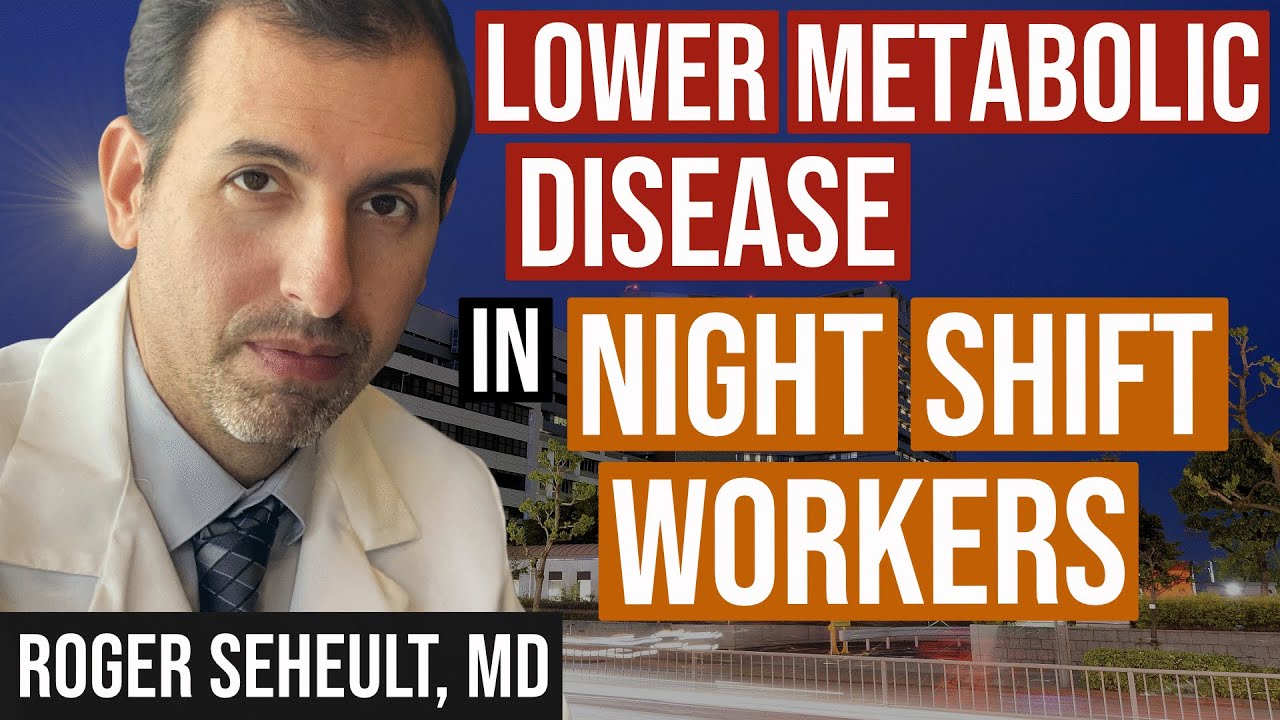
Working Nights With Type 2 Diabetes: What the New Shift-Diabetes Study Found
A 2026 study found night shifts raised glucose variability in people with T2D. Here is what it showed, its limits, and practical ways to manage diabetes on nights.
T2D Network
3 min read

Four Minutes a Day: What the New "Movement Snack" Research Means for Type 2 Diabetes
Under four minutes of vigorous bursts a day was linked to 36% lower T2D risk in non-exercisers. Here is what the 2026 movement snack research shows and how to start.
T2D Network
4 min read

Fatty Liver and Type 2 Diabetes: The Complication Most People Have Never Been Told About
Up to 7 in 10 people with T2D have fatty liver, and some already have scarring at diagnosis. Here is what 2026 research says about screening and what to ask.
T2D Network
4 min read


Type 2 Diabetes in 2026: A Year in Review
2026 saw the first oral GLP-1 approved, Phase 3 triple agonist results, updated ADA guidelines, and a metabolomics landmark. Here’s the T2D Network’s full year in review, and what 2027 may bring.
T2D Network
8 min read


World Diabetes Day 2026: The Case for Acting Early
World Diabetes Day 2026 theme is Early Action on Diabetes. Almost 1 in 2 people with diabetes are undiagnosed. Here’s what early detection means, why it changes outcomes, and what to do before November 14.
T2D Network
7 min read


Finding Type 2 Diabetes Where People Already Are: Inside the T2D Network’s Community Screening Clinics
The T2D Network’s community screening clinics reach people missed by primary care. See what the research says and what we found in Surrey and White Rock.
T2D Network
4 min read


Sitting Is the New Sugar: What a Sedentary Workday Is Doing to Your Blood Sugar
Sitting for long periods worsens blood sugar independently of whether you exercise. Two-minute walking breaks every 20 minutes cut post-meal glucose by 24%. Here's the evidence.
T2D Network
4 min read


Can Type 2 Diabetes Actually Go Into Remission? The Honest Answer
Type 2 diabetes remission is real and achievable. The DiRECT trial showed 86% remission in people losing 15kg. Here's the honest evidence on what reversal actually looks like.
T2D Network
4 min read


Type 2 Diabetes Under 40: The Generation That Wasn't Supposed to Get It
T2D cases in people under 40 have nearly doubled globally. Early-onset diabetes is faster-progressing and harder to manage, yet most young adults aren't being screened. Here's what you need to know.
T2D Network
4 min read


Can Mindfulness Actually Lower Your Blood Sugar? What the Evidence Really Shows
A 2025 meta-analysis of 31 RCTs found mindfulness reduced HbA1c by 0.44% and produced large reductions in stress and depression in people with T2D.
T2D Network
7 min read


What You're Reading About Diabetes on Social Media Is Probably Wrong
Most diabetes content on social media is poor quality or outright wrong. AI deepfakes are selling fake cures. Here's what the research shows about diabetes misinformation online and how to protect yourself.
T2D Network
4 min read


The Mind-Metabolism Connection
Depression and T2D share biological pathways through inflammation, cortisol, and insulin resistance. This Mental Health Month, here's what the evidence says about the mind-metabolism connection.
T2D Network
5 min read


Menopause and Diabetes: The Metabolic Shift Most Women Aren't Warned About
Estrogen's decline at menopause drives a sharp rise in T2D risk. Women with T2D already face 30% higher cardiovascular mortality than men. Here's what the evidence shows on hormones, menopause, and blood sugar.
T2D Network
3 min read


The Diabetes-Foot Warning Nobody Talks About Until It's Serious
85% of diabetes-related amputations are preceded by a foot ulcer. Peripheral neuropathy removes the pain warning system. Preventive education cuts ulcer risk by 50%. Here's what to know and do.
T2D Network
3 min read


Lifting Weights for Blood Sugar: Why Resistance Training Deserves More Attention
Resistance training reduces HbA1c by up to 0.51% in people with T2D, and the more strength you gain, the greater the blood sugar benefit. Here's why lifting weights deserves a central role in T2D care.
T2D Network
3 min read


From Glucose to Outcomes: The Cardiovascular Prescription Every T2D Patient Deserves
CVD causes 50% of T2D deaths in Canada. The 2024 Diabetes Canada CPG now recommends SGLT2i and GLP-1 RAs for heart protection regardless of A1C. Here's what to do.
T2D Network
6 min read


The Prescription We're Not Writing: Sleep Assessment in T2D Care
Sleep is rarely assessed in diabetes care — yet poor sleep and undiagnosed OSA drive insulin resistance. Here's what the 2024–2026 evidence says, and what to do now.
T2D Network
6 min read


Your Kidneys and Your Diabetes: What You Need to Know Before It's Too Late
Diabetic kidney disease affects 1 in 4 people with T2D and produces no symptoms until significant damage is done. SGLT2 inhibitors now reduce progression by 50%. Here's what you need to know and ask about.
T2D Network
3 min read


Intermittent Fasting and T2D: What the Science Tells Us
New 2025-2026 trials show intermittent fasting and time-restricted eating improve blood sugar and HbA1c in T2D, but a key study found the calorie reduction, not the fasting itself, drives the benefit. Here's the honest picture.
T2D Network
3 min read


Why Losing Muscle May Be Making Your Blood Sugar Worse
People with T2D have a 3-fold higher risk of muscle loss, and muscle is the body's primary glucose disposal organ. Here's what diabetic sarcopenia is, and why resistance training may be more important than cardio.
T2D Network
4 min read
bottom of page