Digital Tools in Type 2 Diabetes Care: Evidence, Who’s Using Them, and What Comes Next
- t2diabetesnetwork

- Feb 25
- 6 min read
Key Highlights:
✅ Technology transforms diabetes self-management
✅ Apps and devices support real-time monitoring
✅ AI predicts glucose trends and patterns
✅ Adoption varies by population and region
✅ Digital tools improve clinical outcomes

Managing type 2 diabetes used to mean daily fingerstick glucose checks and routine office visits. Today technology is playing a major role in how people monitor, track, and make decisions about their health outside of the clinic. Consumer apps, connected devices, continuous glucose monitoring, remote coaching, and even artificial intelligence systems have become part of diabetes care. These digital tools promise to improve self-management and clinical outcomes. Researchers around the world are studying how these tools can be most effective and how adoption varies by population group and region.

Why Digital Tools Matter in Diabetes Care
Digital tools, including apps, wearables, and connected devices, help people self-manage more effectively. Research shows mobile health tools can improve short-term blood glucose control when integrated with professional guidance. Mobile health interventions with personalized feedback have been linked to short-term reductions in hemoglobin A1c, a key blood sugar marker.
A 2025 systematic review highlights that digital tools are increasingly part of diabetes care globally, but evidence for long-term effectiveness remains limited.
Who Is Using Digital Tools and Where
Adoption of digital tools is influenced by age, education, income, and geography. Younger adults and those comfortable with technology are more likely to use smartphone apps, wearables, and connected devices. A mixed-methods study found that over 60% of participants tracked at least two factors such as blood glucose, diet, or physical activity, with higher engagement among those with greater digital literacy.
In this survey of 61 respondents, most had type 2 diabetes (72%), used insulin (59%), and had experience with CGMs (56%), with high digital literacy evidenced by widespread use of health apps (87%) and activity trackers (59%). Participants mainly used apps to guide dietary choices and preferred passively collected, integrated, visually clear, and customizable data for broader self-management.
In Canada, the diabetes technology market is expanding rapidly, particularly among adults under 65 who are comfortable with mobile apps and wearable trackers. Urban areas have higher adoption rates than rural regions, highlighting disparities related to access and broadband infrastructure.
Popular Digital Tools in Diabetes Care
Apps for Tracking and Management
Popular apps for logging blood glucose, meals, medications, and physical activity include OneTouch Reveal, Social Diabetes, mySugr, Tactio SALUD, and Diabetes:M. Explore more free T2D apps available in Canada.

Continuous Glucose Monitoring (CGM)
CGM devices like Dexcom CGM and FreeStyle Libre provide real-time glucose readings and trend data. Studies indicate CGM users experience improved time in range and fewer hypoglycemic episodes compared to traditional fingerstick monitoring.
Wearables and Activity Trackers
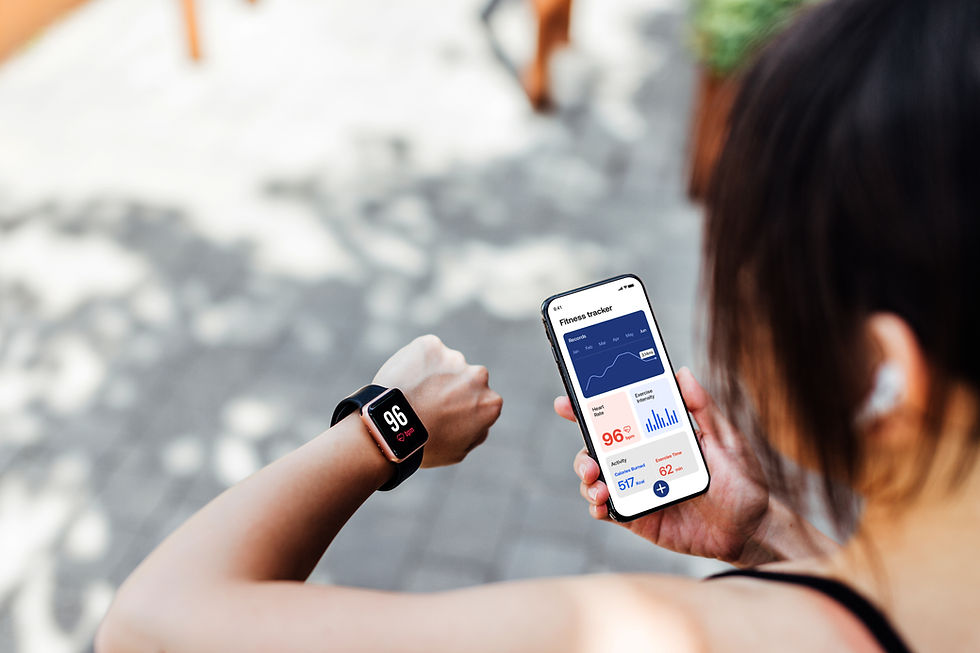
Devices such as Fitbit, Apple Watch, and Garmin help monitor steps, heart rate, and sleep. Research shows that integrating wearable data into self-management routines supports physical activity adherence.

AI-Driven and Personalized Systems
AI platforms analyze user data to offer personalized insights, insulin dosing suggestions, or proactive alerts. Early studies suggest AI-driven recommendations can help anticipate glucose trends and improve self-management.
Evidence on Effectiveness
There is a growing body of scientific evidence showing that digital tools can meaningfully improve clinical outcomes for people living with type 2 diabetes, particularly when used as part of structured care rather than in isolation. A large systematic review and meta‑analysis of 118 randomized controlled trials involving more than 21,000 participants found that digital health interventions significantly reduced hemoglobin A1c (HbA1c), fasting blood glucose, and postprandial blood glucose compared with usual care, with some online and remote monitoring platforms producing the largest effects on glycemic control.
Other meta‑analyses focusing specifically on app‑based lifestyle interventions have shown clinically relevant reductions in HbA1c. One pooled analysis across 23 studies reported that patients using app‑based digital tools experienced an average HbA1c reduction of about 0.36 percentage points compared with control groups receiving usual care, and nearly 0.8 percentage points reduction within intervention groups over three to twelve months.
Home‑based digital diabetes management technologies that combine frequent self‑monitoring of blood glucose (SMBG), remote data upload, and personalized clinician feedback have also demonstrated significant improvements in HbA1c, fasting glucose, and 2‑hour postprandial glucose, along with modest reductions in BMI, compared to standard home glucose self‑monitoring.

A broader 2025 review of digital diabetes management technologies, including mobile apps, continuous glucose monitoring (CGM), telemedicine, and personalized feedback systems, concluded that these tools are consistently associated with improvements in key glycemic measures such as HbA1c and postprandial glucose, and that mobile applications and CGM systems are among the most effective types of interventions studied to date.
Taken together, these findings support the growing consensus that digital health tools can enhance glycemic control and support diabetes self‑management when they are well designed, integrated into routine care, and supported by healthcare professionals. However, variations in intervention design, duration, and intensity mean that not all digital programs produce the same level of benefit, and long‑term outcomes beyond one year remain an area of active research.
Current Limitations in Digital Diabetes Care
Despite their promise, digital tools for type 2 diabetes face several significant limitations. Access disparities remain a major barrier, as lower‑income individuals and those living in rural or remote areas may lack reliable broadband or devices capable of supporting advanced apps and connected systems, limiting adoption and equity in care.
In one study of 422 participants, smartphone ownership among adults with type 2 diabetes increased from 87% in 2017–2018 to 98% in 2020–2021, with corresponding growth in health app use from 49% to 70%. However, this study found that disparities persist by income and health literacy, showing that owning a device alone does not guarantee engagement with health apps.
Digital literacy challenges also persist; older adults and people unfamiliar with technology often struggle to use apps effectively, and complex interfaces such as nutritional databases or glucose‑tracking dashboards can make sustained engagement difficult. Even among users with access and literacy, long‑term engagement is a challenge, many download apps enthusiastically but discontinue use after a few months, reducing the potential for ongoing clinical benefit. One notable problem for App users is linking tracked behaviors to glycemic and diabetes self-management goals.
Additionally, barriers such as difficulty understanding and using apps, interpreting data, and navigating interfaces are frequently reported in studies of digital health technology use among adults with diabetes, and these challenges are linked to lower engagement and less effective self‑management.

Privacy and trust concerns further limit adoption, as users are often unaware of how their personal health data is stored or shared, and few diabetes apps have undergone clinical certification, which can undermine confidence in their accuracy and safety.
Finally, evidence gaps remain. There is a pressing need for standardized outcome measures and large‑scale, long‑term studies in diverse populations to determine which digital tools provide truly meaningful benefits for diabetes management.
What the Future Holds for Digital Diabetes Care
Looking ahead, the next generation of digital diabetes tools promises to go beyond tracking and reminders toward true prediction and personalization. Artificial intelligence and machine learning systems are increasingly able to analyze massive amounts of glucose, activity, and contextual data to anticipate glucose trends before they occur, offering proactive lifestyle or clinical recommendations rather than reactive alerts. A 2025 study demonstrated that AI models trained on continuous glucose monitoring and lifestyle data could predict glucose excursions hours in advance with clinically useful accuracy, opening the door to truly anticipatory diabetes care.
Researchers are also working toward integrated platforms that combine multiple streams of health data , glucose, diet, physical activity, sleep, and stress, into a unified dashboard accessible by both patients and clinicians. Early prototypes of these multimodal systems show promise for helping clinicians see the “whole picture” of a person’s daily rhythms and tailor interventions more precisely than ever before. A recent Journal of Medical Internet Research article highlights how such integrated systems are being tested for both usability and clinical relevance in chronic disease populations.
Another promising trend is the move toward clinical prescription of digital tools. Some health systems and payers have begun to formally reimburse evidence‑based diabetes apps and digital therapeutics as part of covered care, similar to medications or medical devices, which could significantly increase access and reduce disparities. A 2025 policy analysis discussed emerging programs in North America and Europe where digital diabetes tools are reimbursed based on real‑world effectiveness data.
Despite these advances, experts emphasize the ongoing need for standardized evidence and clinical guidelines. Large, long‑term randomized controlled trials that measure clinically meaningful outcomes (such as complications, hospitalizations, and quality of life) are essential to determine which tools provide the greatest benefit across diverse populations. While the research community has called for harmonized outcome measures to allow meaningful comparisons across digital interventions, progress has been slow, and studies still vary widely in design, duration, and metrics, making it difficult to determine which digital tools consistently improve clinical outcomes and self-management for diverse populations.
Summary
Digital tools are reshaping type 2 diabetes care, providing patients with more data, insight, and control than ever before. Evidence shows that apps, wearables, CGM, and AI systems can improve short-term outcomes, particularly when integrated with clinical support. Challenges remain, including access, digital literacy, sustained engagement, privacy, and the need for standardized evidence. As technology and research advance, the future of diabetes care promises to be increasingly personalized, connected, and effective for diverse populations living with type 2 diabetes.
The T2D Network does not actively promote any one specific App. We recognize that different Apps may meet different users’ needs, and encourages people to choose tools that best fit their lifestyle, health goals, and clinical guidance.